
Pet Custody in Divorce
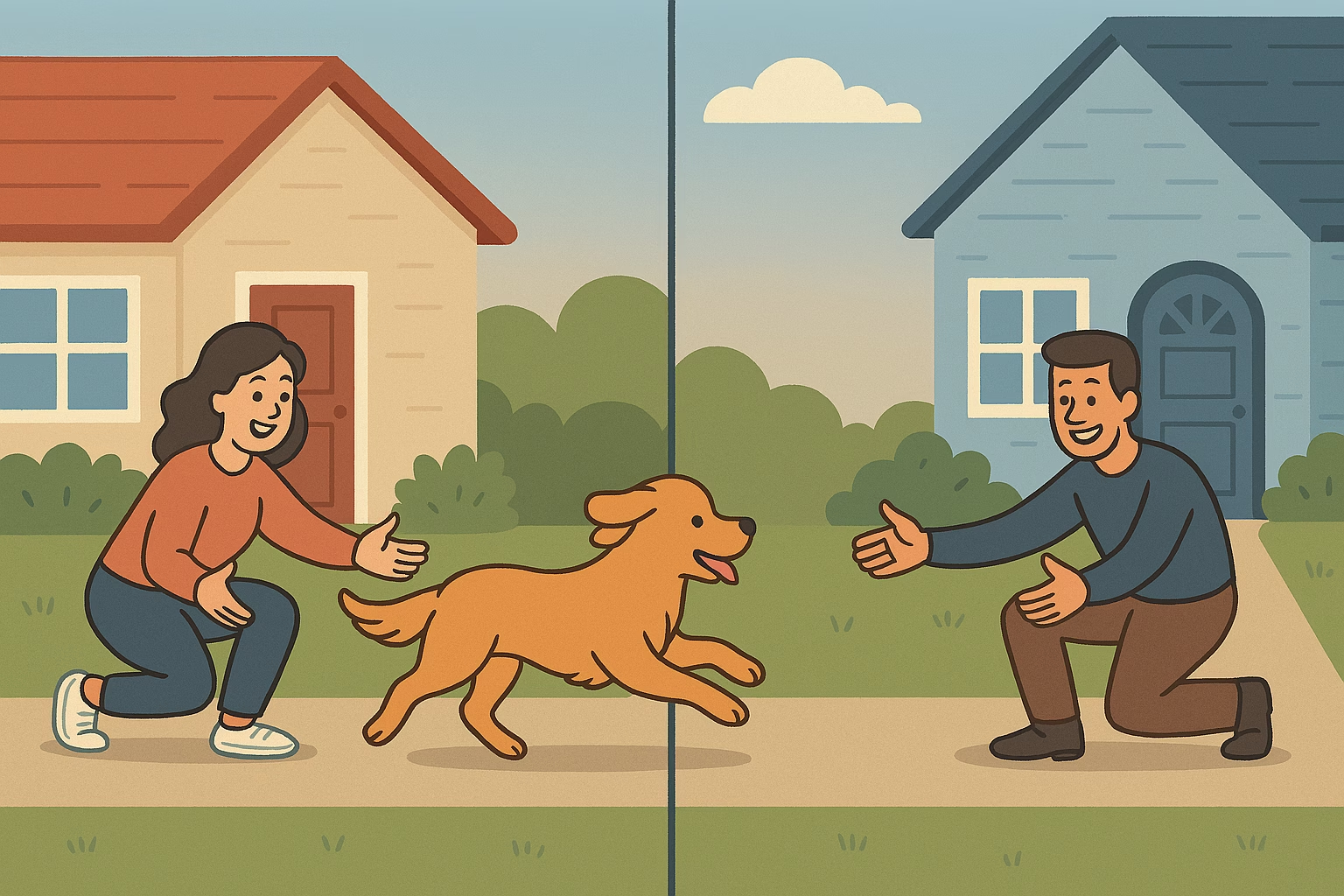
Divorce can be one of life’s most emotionally challenging experiences, and for many couples, deciding what happens to a beloved pet can be just as difficult as dividing other assets. As pets increasingly become cherished family members, the issue of pet custody in divorce is gaining more attention in courts and mediation rooms alike. Understanding your rights and options can help you navigate this sensitive topic with clarity and compassion.
Are Pets Considered Property in Divorce?
Traditionally, courts have treated pets as personal property. This means that, legally speaking, your dog, cat, or other companion animal is evaluated similarly to furniture or a car. In many states, judges may award the pet to one spouse based on ownership, purchase records, or who primarily paid for the pet’s care.
However, this approach is evolving. A growing number of jurisdictions now recognize the emotional bond between humans and their pets. These courts may consider factors such as the pet’s well-being and who has been the primary caregiver when deciding pet custody arrangements.
Factors Courts Consider in Pet Custody Cases
When determining who keeps the pet, courts may evaluate several factors, including:
- Primary caregiver: Who feeds, walks, bathes, and takes the pet to veterinary visits?
- Living situation: Which spouse can provide a more stable and pet-friendly environment?
- Work schedule: Who has more time to care for the pet?
- Financial ability: Who can afford the ongoing costs of pet ownership?
- Emotional attachment: Does the pet have a stronger bond with one spouse?
These considerations resemble those used in child custody cases, though they typically carry less legal weight.
Can You Share Custody of a Pet?
Yes, many divorcing couples choose to create a pet custody agreement that allows both parties to maintain a relationship with their pet. These agreements can include:
- A visitation schedule
- Shared financial responsibility for food and veterinary care
- Holiday or vacation arrangements
- Decision-making authority for medical issues
While some courts will approve and enforce these agreements, others may view them as informal. Working with a mediator can help ensure the agreement is clear and mutually beneficial.
The Role of Mediation in Pet Custody
Mediation is often the best path when addressing pet custody in divorce, as it allows couples to create personalized solutions rather than relying on a judge’s ruling. Through mediation, couples can focus on the pet’s best interests while maintaining a cooperative relationship.
For example, mediation can facilitate creative arrangements, such as:
- Alternating weeks or months with the pet
- Splitting time based on work schedules
- Agreeing on joint decisions for medical care
This approach can reduce conflict and preserve emotional well-being—for both the humans and the pet.
Steps to Protect Your Pet During Divorce
If you are facing divorce and concerned about your pet, consider these steps:
- Gather documentation: Collect vet records, adoption papers, and receipts showing your involvement in the pet’s care.
- Demonstrate caregiving: Keep a record of your daily responsibilities related to the pet.
- Consider your pet’s needs: Think about what living arrangement will truly benefit your pet.
- Propose a fair plan: If possible, offer a reasonable custody schedule or agreement.
- Seek mediation early: Addressing pet custody proactively can prevent disputes from escalating.
Why Pet Custody Matters
For many people, pets provide emotional support, companionship, and stability—especially during challenging times like divorce. That’s why resolving pet custody disputes thoughtfully is essential. A well-structured agreement not only protects your relationship with your pet but also ensures your pet’s health and happiness.
Final Thoughts
As attitudes toward animals continue to evolve, so too does the legal landscape surrounding pet custody in divorce. Whether through court decisions or mediation, the goal should always be to prioritize the pet’s well-being while respecting both parties’ emotional connections.
If you are going through a divorce, consulting with a mediation professional can help you reach a compassionate and practical solution—keeping the best interests of your furry family member at heart.
Interested in reading more about this topic and many others? Please visit my Helpful Articles, Links, and Books page – https://rissmediation.com/helpful-articles-links/ or my blog at https://rissmediation.com/blog/.