
Challenges of Being a Step-Parent
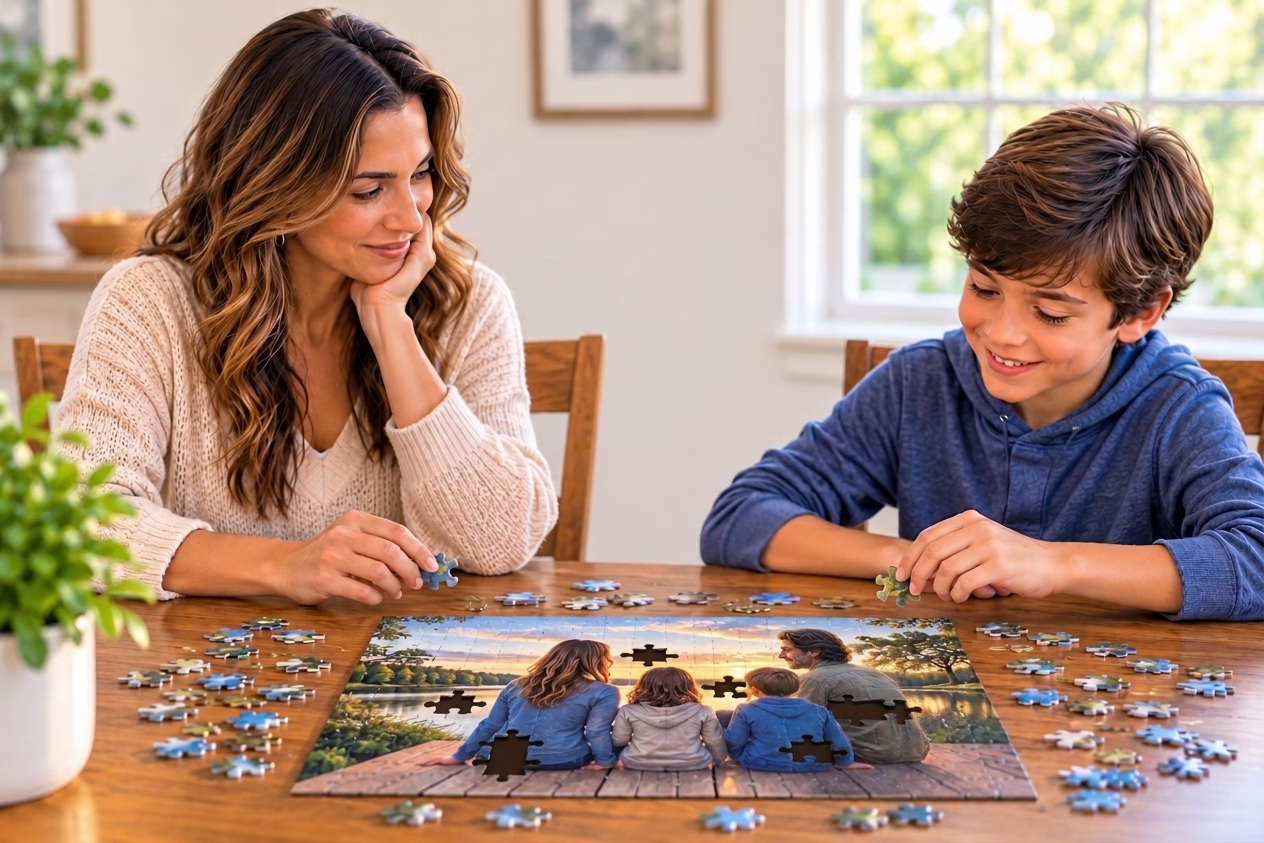
Becoming a step-parent can be a rewarding experience, but it also comes with unique challenges that many people underestimate. Unlike biological parents, step-parents often enter a family system that already has established relationships, routines, and emotional dynamics. Building trust, finding the right role, and creating harmony in a blended family takes time, patience, and understanding.
Earning Trust Takes Time
One of the biggest challenges of being a step-parent is developing a meaningful relationship with the children. A child may feel loyalty toward their biological parent and view a step-parent as an outsider. Some children may worry that building a connection with a step-parent means betraying their other parent.
Trust cannot be forced. Healthy step-family relationships grow gradually through consistency, reliability, and genuine care. Trying too hard to become an authority figure too quickly can often create resistance rather than connection.
Navigating Different Parenting Styles
Many blended families struggle because adults have different approaches to parenting. One parent may be more structured and disciplined, while the other may be more relaxed. These differences can lead to disagreements about household rules, expectations, bedtime routines, screen time, or discipline.
Successful step-parenting requires open communication between partners. Presenting a united front helps children feel secure and reduces confusion about family expectations.
Dealing with Loyalty Conflicts
Children of divorce or separation may experience loyalty conflicts. They might feel guilty about enjoying time with a step-parent or worry that expressing affection for one household will hurt the other parent’s feelings.
These emotional struggles can sometimes show up as anger, withdrawal, or challenging behavior. A step-parent’s role is often to provide support and understanding rather than taking the behavior personally.
Managing Relationships with an Ex-Spouse
The presence of a former spouse or co-parent can create additional complexity. Differences in parenting decisions, communication styles, or unresolved conflict may affect the entire family.
Successful co-parenting typically requires clear boundaries, respectful communication, and a focus on the children’s best interests. When adults keep their disagreements away from the children, everyone benefits, especially the kids.
Finding the Right Role
Many step-parents struggle with questions such as: “Am I a parent, a friend, or something in between?” There is no universal answer. A step-parent’s role often evolves over time based on the child’s age, the family structure, and the quality of the relationship.
Attempting to replace a biological parent is rarely effective. Instead, the most successful step-parents focus on becoming a trusted, supportive adult in the child’s life while respecting existing parent-child bonds.
Feeling Left Out
Even in loving blended families, step-parents may sometimes feel excluded. Family traditions, shared memories, and inside jokes that existed before they joined the family can create feelings of isolation.
Recognizing these emotions as normal can help. Creating new family traditions and shared experiences allows everyone to build fresh connections and a stronger sense of belonging.
Balancing Expectations
Unrealistic expectations can lead to disappointment. Many people hope that a blended family will quickly function as a unified household, but strong family bonds often take years to develop.
Experts frequently note that blended families need time to adjust. Patience, flexibility, and realistic expectations can reduce stress and help family members adapt more successfully.
Final Thoughts
Being a step-parent is not always easy, but it can be one of the most meaningful roles a person undertakes. Challenges such as earning trust, navigating loyalty conflicts, managing co-parenting relationships, and defining one’s role are common in blended families. With patience, consistent support, and open communication, step-parents can help create a stable, loving environment where children and adults alike can thrive.
Interested in reading more about this topic and many others? Please visit my Helpful Articles, Links, and Books page – https://rissmediation.com/helpful-articles-links/ or my blog at https://rissmediation.com/blog/.
For more information on blending families, please visit The National Stepfamily Resource Center at https://www.stepfamilies.info.